
Fix My Speaker Volume: How to Increase Speaker Sound Easily
Low speaker volume is a very common problem in phones, laptops, and Bluetooth devices. Many users notice that their sound becomes weak, unclear, or too low even when the volume is set to maximum.
This issue can happen due to dust inside the speaker, wrong settings, software bugs, or hardware damage. In this guide, you will learn simple and advanced ways to fix low speaker volume, increase sound, and improve overall audio quality quickly.
If your system settings are maxed out but the output is still weak, visit fix my speaker sound to use our web-based sound booster.
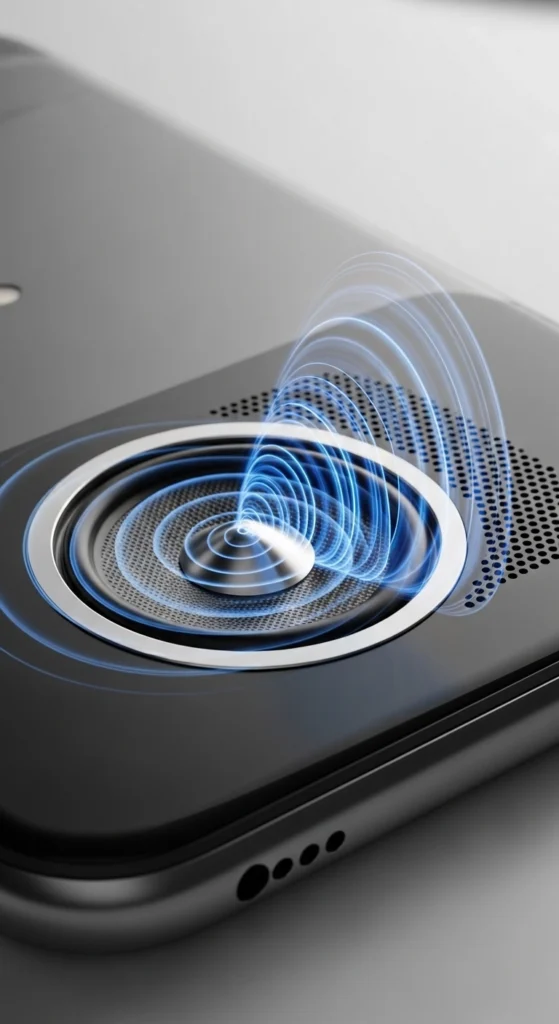
Safe vs Unsafe Ways to Increase Volume
It is important to use the right methods to increase speaker volume. Safe methods improve sound without damage, while unsafe methods can permanently harm your speaker hardware.
Safe Methods
- Adjust sound settings properly (increase speaker volume safely)
- Clean the speaker grill regularly to remove dust
- Update your device software to fix bugs
- Use equalizer or volume apps at moderate levels
- Restart your device to fix temporary speaker issues
- Keep the speaker area clean and unblocked
Unsafe Methods
- Using sharp objects to clean the speaker can damage it)
- Installing too many volume booster apps at once
- Using heat like a hair dryer (can damage internal parts)
- Applying water or liquid directly to the speaker
- Playing sound at maximum volume for a long time
- Pressing or poking the speaker area
When to Get Professional Repair
If your speaker problem continues after trying all fixes, it may be a serious speaker hardware issue that needs expert repair.
Signs of Hardware Damage
- The speaker produces no sound at all
- Sound is very distorted or broken
- Volume stays low even after all fixes
- Sound cuts in and out frequently
Fixes Not Working
If cleaning, settings, and apps do not fix the issue, the problem may be inside the device. Internal parts like the speaker unit or circuit may be damaged. Always check your left/right balance settings if you notice my speaker one side not working before applying a global volume amplifier.
Repair vs Replace Decision
- Choose repair if the issue is minor and low cost
- Replace if damage is serious or the repair cost is high
- Consider device age before spending money
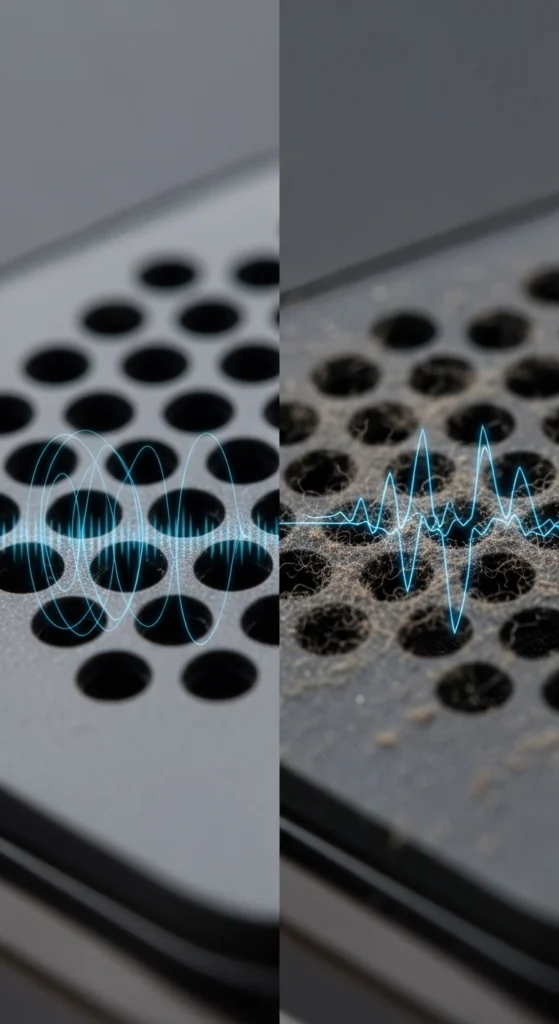
Why Is My Speaker Volume So Low? (Common Causes)
Low speaker volume usually happens due to small issues that affect sound output. In most cases, it is not serious and can be fixed easily with simple steps.
- Dust blocking the speaker grill (speaker dust issue)
- Dirt or lint inside the speaker opening reduces sound
- Volume limits or restrictions in settings (low speaker volume)
- Silent mode or Do Not Disturb mode turned on
- Software bugs or outdated system updates
- App-specific sound issues (only one app has low sound)
- Bluetooth or headphone mode is still connected
- Physical hardware damage inside the speaker
Signs Your Speaker Has a Volume Problem
- Low volume: Sound is very low even when the volume is set to full.
- Weak calls: Call voices are hard to hear or unclear.
- Quiet media: Music and videos are not loud enough.
- Sound cutting: Audio stops or breaks suddenly while playing.
- Distorted sound: Voice and music sound unclear, noisy, or broken.
- Volume changes: Sound level goes up and down automatically.
- Hard hearing: You struggle to hear properly during calls or videos.
- No sound sometimes: The speaker works sometimes and stops suddenly.
- Muffled audio: Sound feels covered or blocked from inside.
- Delayed sound: Audio comes late or out of sync with video.
Unbalanced sound: One side is louder than the other (stereo issue).
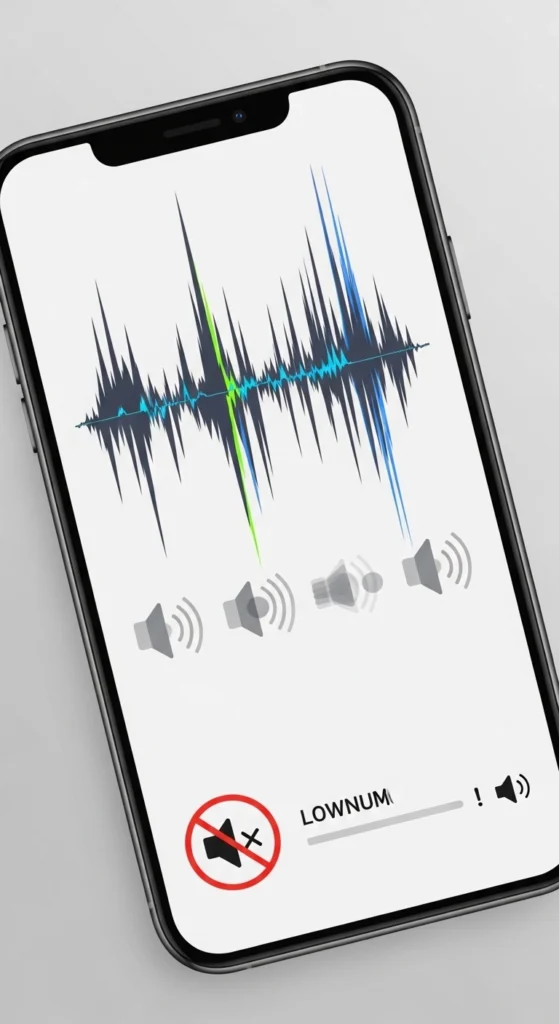
Quick Fixes to Increase Speaker Volume
If your speaker volume is low, you can often fix it in just a few seconds using simple settings and basic checks. These quick methods help improve a speaker’s sound without any technical skills or repair.
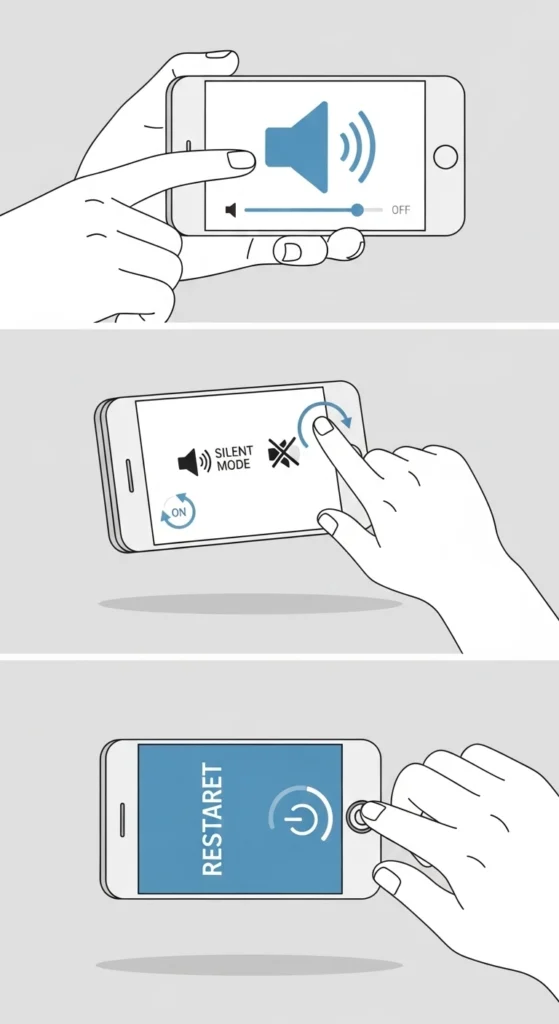
Check Volume Settings
Make sure all volume levels are properly increased, including media, ringtone, alarm, and call volume. Also, check if your device is on mute or silent mode, as this can reduce speaker volume instantly.
Turn Off Do Not Disturb Mode
Disable Do Not Disturb (DND) mode because it can block sounds and reduce notifications. Also check any silent or focus modes that may limit your speaker sound output.
Restart Your Device
Restart your phone or device to fix temporary bugs or software glitches. This simple step often restores normal speaker performance and resolves low-sound issues.
Remove Case or Obstruction
Remove any phone case, cover, or dirt blocking the speaker grill. Obstructions can reduce sound output and make your speaker volume feel low.
Test Speaker in Different Apps
Play sound in different apps, such as music, videos, and calls, to check if the issue is app-related. If only one app has low sound, it may not be a full speaker problem.
Step-by-Step Guide to Fix Low Speaker Volume
If your speaker volume is too low, follow these steps one by one. Start from Step 1 and work your way down. Most people fix their speaker problem within the first three steps.
Step 1 Clean the Speaker Grille
Dust and dirt are one of the most common reasons for low speaker volume. When dust builds up inside or around the speaker grille, it blocks sound from coming out properly. This makes your speaker sound quiet, muffled, or unclear — even when the volume is turned all the way up.
How to clean your speaker grille:
- Turn off your device before cleaning
- Use a soft, dry toothbrush or a clean paintbrush
- Gently brush across the speaker holes in one direction
- Do not press too hard light strokes are enough
- Use a can of compressed air to blow out deeper dust
- Never use water, wet wipes, or sharp objects like pins or toothpicks
Even a small amount of dust can block speaker holes and reduce sound by a noticeable amount. Cleaning your speaker takes less than two minutes and often fixes the problem immediately.
Step 2 Disable Volume Limits
Many phones and devices have a built-in volume limit. This is a safety feature that stops the speaker from going too loud. But sometimes this limit stays on even when you are using your main speaker, which makes the sound much quieter than it should be.
How to disable volume limits on Android
- Open Settings
- Go to Sound or Sound and Vibration
- Look for Volume or Media Volume Limit
- If it is turned on, switch it off
- Some Android phones have this under Accessibility → Hearing
How to disable volume limits on iPhone:
- Open Settings
- Go to Sounds and Haptics
- Scroll down to Headphone Safety
- Turn off Reduce Loud Sounds
After turning off volume limits, test your speaker. You should notice the volume is louder straight away.
Step 3 Update Your Device Software
Software bugs are a very common but easy-to-miss cause of low speaker volume. Device manufacturers release new updates that fix these bugs, so keeping your software up to date is important.
How to update on Android
- Open Settings
- Tap About Phone or System
- Tap Software Update or System Update
- Download and install any available update
- Restart your phone after updating
How to update on iPhone
- Open Settings
- Tap General
- Tap Software Update
- Install the latest version of iOS
How to update on a Windows PC
- Open Settings
- Go to Windows Update
- Click Check for Updates
- Install all available updates and restart
After updating, test your speaker again. Many users report their volume returning to normal after a simple software update.
Step 4 Turn Off Audio Enhancements
Audio enhancements are extra sound effects added by your device or app. Things like bass boost, equaliser settings, and noise reduction can sometimes make your speaker sound quieter or distorted. These effects are meant to improve sound but can actually reduce overall volume in some cases.
How to turn off audio enhancements on Android
- Open Settings
- Go to Sound or Sound Quality and Effects
- Look for options like Dolby Atmos, Equaliser, or Sound Effects
- Turn all of these off or set them to Normal / Flat
How to turn off audio enhancements on Windows
- Right-click the speaker icon in the taskbar
- Click Sounds or Open Sound Settings
- Go to the Playback tab, right-click your speaker
- Click Properties → Enhancements
- Check Disable all enhancements
- Click Apply, then OK
How to turn off audio enhancements on iPhone:
- Open Settings
- Go to Music or Accessibility → Audio/Visual
- Set EQ to Off
Once audio enhancements are turned off, play some music or a video to check if the volume has improved.
Step 5 Reset Sound Settings to Default
If none of the above steps worked, there may be a hidden configuration issue with your audio settings. Resetting your sound settings back to default clears all custom changes that may be causing the volume problem. This only resets audio settings not your personal data or apps.
How to reset sound settings on Android
- Open Settings
- Go to Sound or Sound and Vibration
- Scroll down and look for Reset Sound Settings or Reset to Default
- Tap it and confirm
How to reset sound settings on iPhone
- Open Settings
- Tap General
- Tap Transfer or Reset iPhone
- Tap Reset
- Choose Reset All Settings
- This resets sound, display, and network settings but does NOT delete your photos, apps, or data
How to reset audio on Windows
- Right-click the speaker icon in the taskbar
- Open Sound Settings
- Scroll down and click App Volume and Device Preferences
- Click Reset at the bottom of the page
After resetting, restart your device and test the speaker. This step fixes most stubborn audio issues that earlier steps could not solve.
Advanced Ways to Increase Speaker Sound
If basic fixes do not work, you can try these advanced methods to improve your speaker sound quality and volume. These tips help boost sound naturally without damaging your device.
Adjust Equalizer Settings
Use equalizer settings to balance sound properly. Increase mids and slightly adjust bass to make the audio clearer and louder. This helps improve overall speaker sound output.
Use High-Quality Audio Files
Low-quality audio files often sound weak even at full volume. Use high-quality music or videos to get better and louder sound performance.
Place Device on Hard Surface
Place your device on a table or hard surface. Hard surfaces reflect sound waves and make your speaker volume feel louder.
Face Device Toward You
Speaker direction matters. Turn your device so the speaker faces you directly for better audio clarity and loudness.
Avoid Blocking the Speaker Area
Do not cover the speaker with your hand, case, or any object. Blocking the speaker reduces sound and causes low-volume issues.
Hidden Settings That Reduce Speaker Volume
Sometimes your speaker volume is low because of hidden settings in your device. These settings can limit sound without you noticing and cause low speaker volume problems.
Volume Limit Settings
Some devices have a safety feature that limits maximum volume. Check your sound settings and turn off any volume limit to increase speaker volume.
Bluetooth Volume Sync Issue
When connected to Bluetooth devices, volume may be controlled by both devices. This can reduce overall sound. Disconnect and reconnect to fix the speaker sound issue.
App Sound Restrictions
Some apps have their own sound controls that may lower the volume. Check app settings and increase sound to fix low audio output.
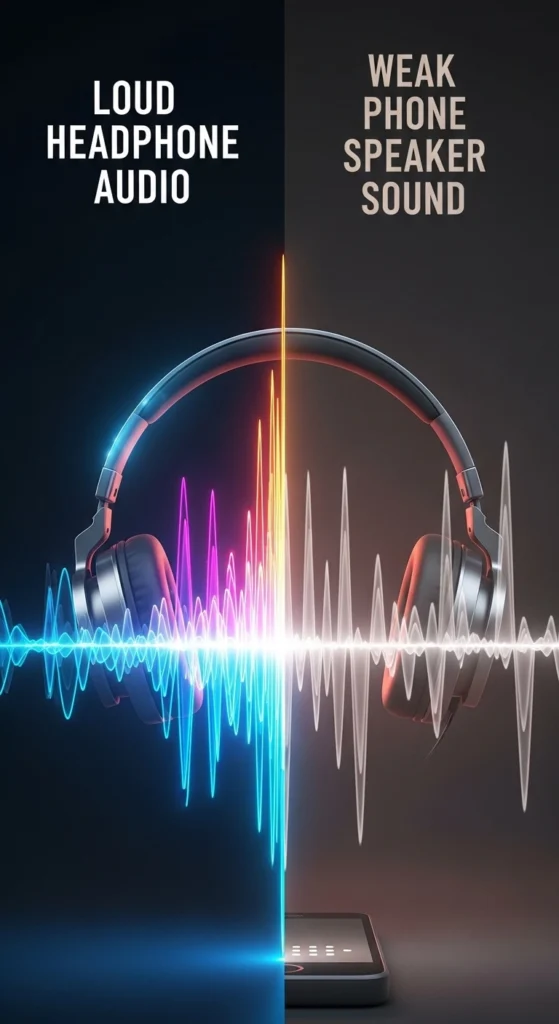
Why is the speaker loud on Headphones but Low on the speaker
If your sound is loud in headphones but low on the speaker, it usually means the problem is only with the speaker. This helps you understand that it is a speaker-specific issue, not a full device problem.
- Internal speaker may be weak (speaker hardware issue)
- Dust blocking the speaker grill (speaker dust problem)
- Software bug affecting the speaker only
- Wrong audio output settings
- Physical or internal hardware damage
Best Apps to Boost Speaker Volume
If normal fixes do not work, you can use apps to improve the speaker sound and volume. These apps can help increase loudness and improve audio quality.
Volume Booster Apps
These apps increase overall sound output and make your speaker louder. Use carefully to avoid damaging your speaker hardware.
Equalizer Apps
Equalizer apps help adjust bass, treble, and mids to improve sound clarity and balance.
Speaker Cleaner Tools
These tools use sound vibration to remove dust or water and improve speaker performance.
How to Use Apps Safely
Do not use very high settings for a long time. Always use moderate levels to protect your speaker’s sound quality and avoid damage.
How to Fix Low Call Speaker Volume
If your call sound is low or unclear, the problem is usually with the ear speaker or call settings. These simple steps can help fix low call speaker volume and improve voice clarity. Software boosting can also be a lifesaver if you find my speaker not working during calls at a loud enough level for outdoor environments.
Increase In-Call Volume
During a call, press the volume up button to increase call sound. Many users forget that call volume is different from media volume, which can cause a low call sound issue.
Clean Ear Speaker
Dust and dirt can block the small top speaker. Gently clean it using a soft brush or cloth to improve the ear speaker sound clarity.
Check Audio Settings
Make sure your phone is using the correct audio output (speaker, not Bluetooth or headphones). Wrong settings can cause low speaker volume during calls.
Disable Noise Reduction
Some devices reduce background noise, but this can also lower voice clarity. Turn it off if it affects your call speaker sound.
Fix Speaker Volume by Device Type
Different devices may have different reasons for low volume. Follow the right method based on your device to fix the speaker volume problem.
Android Devices
Clear app cache, check sound settings, and restart your device. Also check for updates to fix Android speaker issues.
iPhone Devices
Adjust sound settings, disable volume limits, and update iOS to improve iPhone speaker volume.
Windows PC or Laptop
Update audio drivers, check the output device, and restart audio services to fix Laptop speaker problems.
Bluetooth Speakers
Reconnect your device, reset the speaker, and make sure it is fully charged to improve Bluetooth speaker sound.
Smart TVs
Check audio output settings, volume levels, and external speaker connections to fix TV sound issues.
Common Mistakes That Make Volume Worse
Many users unknowingly make mistakes that reduce speaker volume and affect sound quality.
- Ignoring software updates that fix sound bugs
- Using maximum volume for a long time can damage the speaker)
- Blocking the speaker with hands, dust, or a phone case
- Cleaning the speaker with the wrong tools or sharp objects
- Not checking sound settings properly
- Using low-quality audio files
- Keeping Bluetooth connected by mistake
- Not restarting the device for a long time
Conclusion
Low speaker volume is a common problem, but in most cases, it can be fixed easily with simple steps like checking settings, cleaning the speaker, and updating your device. These small actions can quickly improve speaker sound and restore normal volume.
If the problem still continues, it may be a hardware issue that needs professional repair. By following the right methods and avoiding common mistakes, you can keep your speaker volume strong and clear for a long time.
Frequently Asked Questions
Why is my speaker volume so low?
Dust, settings issues, or software bugs are common causes.
How do I increase speaker volume quickly?
Adjust settings, restart device, and clean the speaker.
Do volume booster apps work?
Yes, but they should be used carefully.
Can dust reduce volume?
Yes, dust blocks sound and reduces loudness.
When should I repair my speaker?
When all fixes fail, and sound does not improve.

